


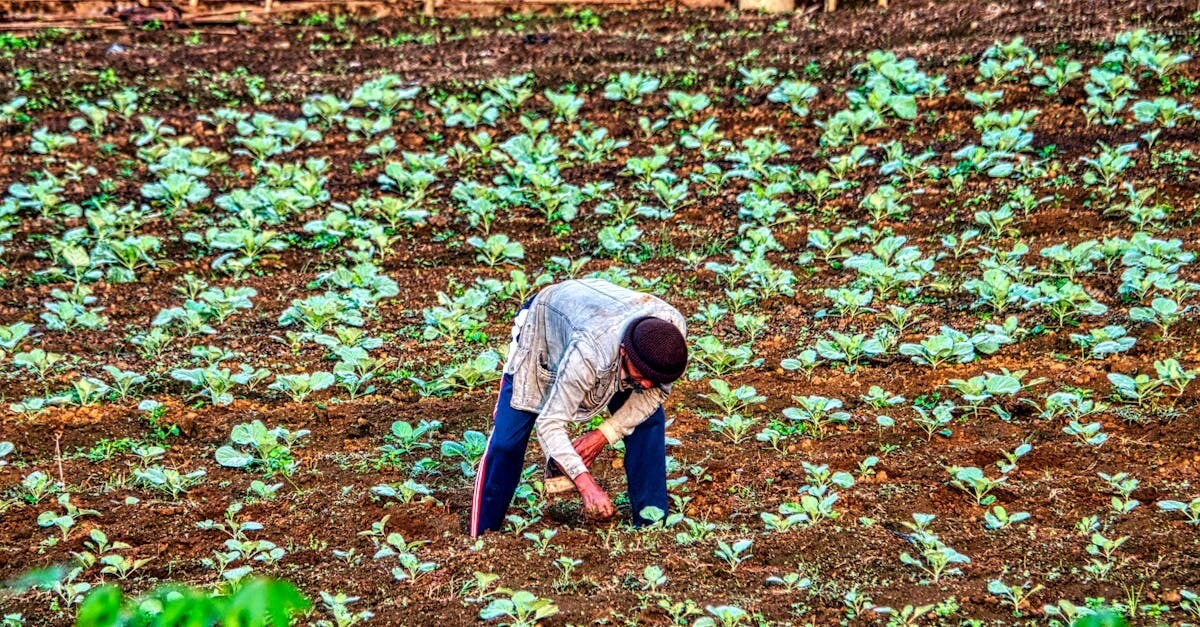
In rural Gambia, agriculture remains the backbone of the economy, with over 60% of the population directly relying on agricultural and livestock activities for their livelihood. Traditional crops, including peanuts, upland rice, and various vegetables, influence income, employment, and food security.
Corporate Social Responsibility (CSR) in Gambia's agricultural sector goes beyond legal obligations, aiming to create shared value for companies, communities, and the environment. Effective training combines technical knowledge, business skills, and access to services.
Key CSR initiatives include responsible purchasing, capacity building, infrastructure improvements, environmental practices, and social inclusion. Responsible purchasing involves stable agreements with small producers, transparent pricing, and contracts that reduce income volatility. Capacity building includes technical training, agricultural extension, and financial education for cooperatives and women's groups.
Infrastructure improvements, such as silos, warehouses, cold chains, and access roads, help reduce post-harvest losses. Environmental practices include sustainable soil management, water conservation, agroforestry, and climate adaptation measures. Social inclusion promotes decent employment, gender equality, and youth participation in value chains.
"Fair chains" are built when every link, from producer to marketer, receives an equitable share of the value created. However, factors like climate variability, salinization in coastal areas, and inadequate infrastructure reduce yields and increase the vulnerability of small producers.
In this scenario, corporate social responsibility in agriculture emerges as a driver for transitioning productive chains towards more equitable, inclusive, and resilient models, aligning business objectives with sustainable rural development.
Examples of successful projects in Gambia and the region include regional peanut cooperatives. In several coastal communities, organizing into cooperatives allowed for better negotiation of prices, sharing of drying costs, and access to external buyers. CSR contributes through long-term purchase contracts, reference prices or quality premiums, certification and traceability, and public-private partnerships in infrastructure and services.
For instance, a peanut processing company that establishes contracts with local cooperatives, provides improved seeds, and offers training in post-harvest practices can reduce losses, enhance grain quality, and, in return, pay a quality premium. A pragmatic approach combining responsible contracts, infrastructure investment, and continuous training can transform Gambian agriculture into a lever for equitable and resilient development.
To amplify the impact of CSR on fair chains and community training in Gambia, it is crucial to prioritize: enabling public policies, accessible financing, multi-stakeholder alliances, impact measurement, and a gender and youth focus.
However, implementation faces challenges requiring strategic management. These include dependence on external markets, high certification costs, internal inequalities, and increasing climate impacts. Despite these hurdles, Gambia has a real opportunity to transform its agricultural sector through CSR focused on fairer chains and consistent rural training. Companies gain stable supply and a positive reputation, while rural communities gain economic security and the capacity to face climate challenges. Effectiveness depends on committed partnerships, adequate financing, and policies that prioritize inclusion, impact measurement, and environmental sustainability.